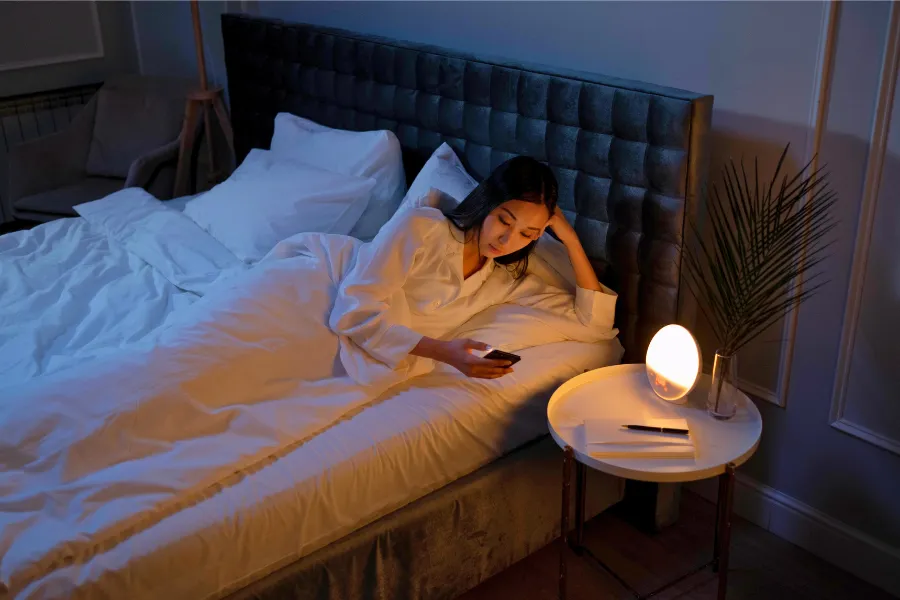
uncomfortable sensation deep inside your lower legs. It feels like an itch you can’t scratch, a creeping tightness, or an uncontrollable need to kick. You shift positions, pace around the room, or stretch, and the feeling temporarily fades—only to return the moment you lie back down.
If this frustrating cycle sounds familiar, you aren’t just dealing with typical leg cramps at night; you may be experiencing Restless Legs Syndrome (RLS).
At The Lung Group Sleep Science Center in Pensacola, our board-certified sleep specialists help patients overcome chronic nighttime discomfort and get the restorative sleep they need. Here is what you need to know about restless legs syndrome, why it keeps you awake, and how an RLS doctor can help you find lasting relief.
What Does Restless Legs Syndrome (RLS) Feel Like?
RLS is a neurological disorder that creates an irresistible urge to move the legs, usually accompanied by uncomfortable physical sensations. Patients often describe these feelings as:
- Creepy-crawly or tingling feelings deep within the calves or thighs
- An annoying aching, throbbing, or pulling sensation
- An internal “restlessness” that makes sitting or lying still nearly impossible
- A relief mechanism where movement (walking, pacing, or stretching) offers temporary comfort
Because these symptoms peak in the evening and during periods of inactivity, bedtime becomes the primary trigger.
Common Triggers and Risk Factors
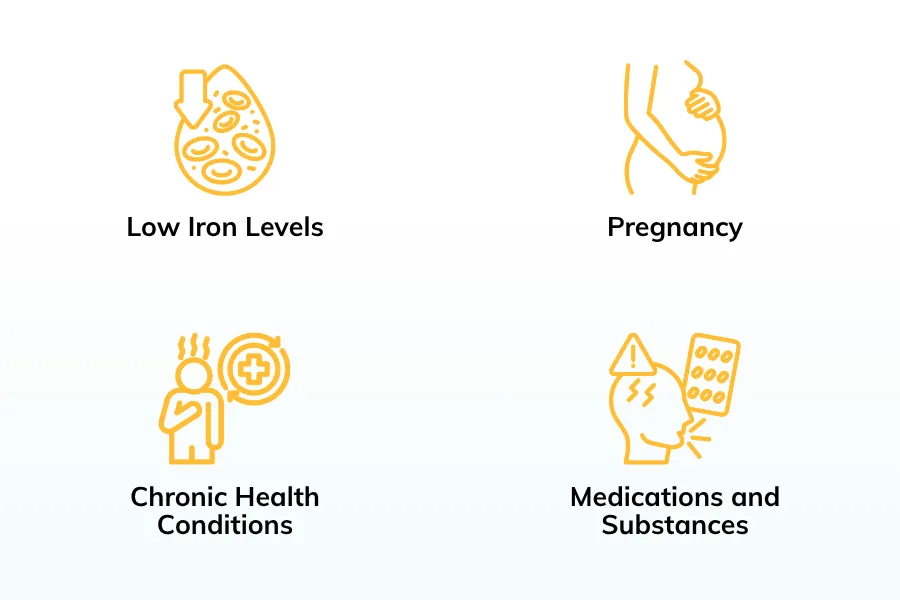
While the exact cause of primary RLS isn’t fully understood, medical research links it to dopamine imbalances in the brain and specific health factors. Common risk factors and triggers include:
- Low Iron Levels: An iron deficiency (even without full-blown anemia) can disrupt brain signaling that regulates muscle movement.
- Pregnancy: Hormonal shifts during the third trimester can trigger temporary RLS symptoms.
- Chronic Health Conditions: Conditions such as kidney disease, peripheral neuropathy, and diabetes are frequently associated with secondary RLS.
- Medications and Substances: Antihistamines, certain antidepressants, caffeine, alcohol, and nicotine can worsen symptoms.
Why Is RLS Considered a Sleep Disorder?
Although RLS originates in the nervous system, it is categorized as a sleep disorder because its secondary impact directly disrupts the sleep-wake cycle.
People with RLS frequently develop onset insomnia—the inability to fall asleep at the start of the night. Furthermore, up to 80% of individuals with RLS also experience periodic limb movement disorder (PLMD), which causes involuntary leg twitching or jerking every 15 to 40 seconds throughout the night. This leads to fragmented sleep, morning exhaustion, and severe daytime fatigue.
How an RLS Doctor Diagnoses the Condition
Diagnosing RLS is primarily a clinical process based on your medical history, symptom patterns, and physical examination. However, a specialist evaluates the full scope of your sleep health:
- Clinical Assessment: Your doctor will evaluate if your symptoms meet the four classic criteria for RLS (urge to move, worsening at rest, relief with movement, and evening onset).
- Blood Work: Checking ferritin (iron storage) levels to rule out deficiencies.
- Comprehensive Sleep Studies: In many cases, an in-lab sleep study (polysomnography) at our Sleep Science Center is recommended. This helps measure nighttime limb movements and check for co-occurring sleep issues, such as obstructive sleep apnea (OSA).
Restless Legs Syndrome Treatment Beyond Medication
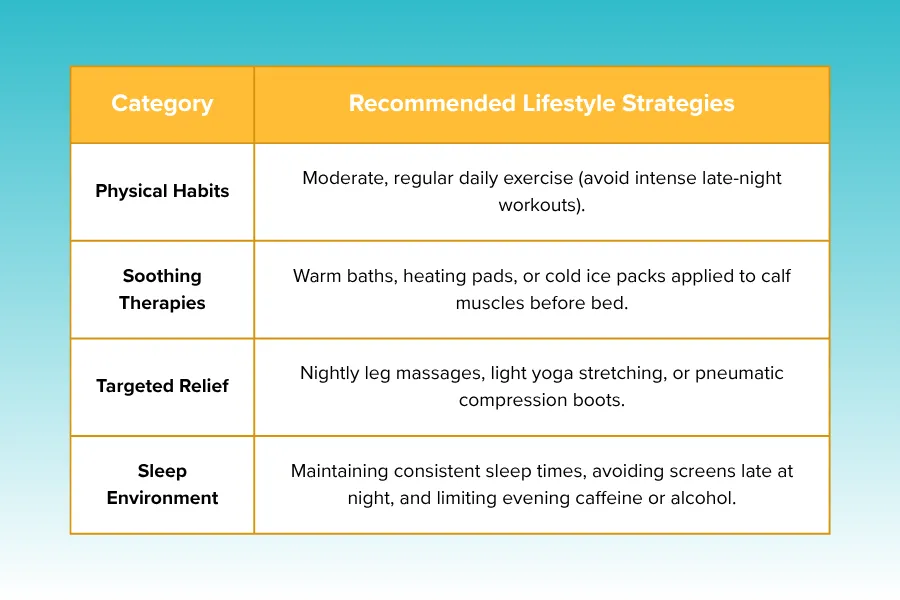
While prescription therapies (such as dopamine-regulating agents or anticonvulsants) are available for moderate-to-severe cases, effective restless legs syndrome treatment often begins with conservative, non-pharmacological strategies.
An effective, non-medication management plan typically includes:
Frequently Asked Questions (FAQ)
What is the difference between nocturnal leg cramps and restless legs syndrome?
Nocturnal leg cramps cause sudden, painful, and intense muscle contractions (“charley horses”) that lock the muscle in place. In contrast, RLS involves an uncomfortable urge to move the legs without sudden painful spasms, and the discomfort improves with movement.
Can restless legs syndrome go away on its own?
Primary RLS is typically a chronic condition, but symptoms can ebb and flow. If the condition is secondary—triggered by an iron deficiency or pregnancy—addressing the underlying cause often resolves the symptoms.
How does a sleep specialist treat RLS?
A sleep specialist provides a comprehensive diagnosis, rules out co-existing sleep disorders, addresses iron deficiencies, recommends targeted lifestyle modifications, and prescribes medications when conservative measures aren’t enough.
Take the Next Step Toward Restful Sleep
If nighttime leg discomfort is preventing you from waking up refreshed, you don’t have to face it alone. Take our quick online Sleep Quiz to evaluate your sleep patterns, or contact The Lung Group today to schedule an evaluation with an expert sleep specialist.