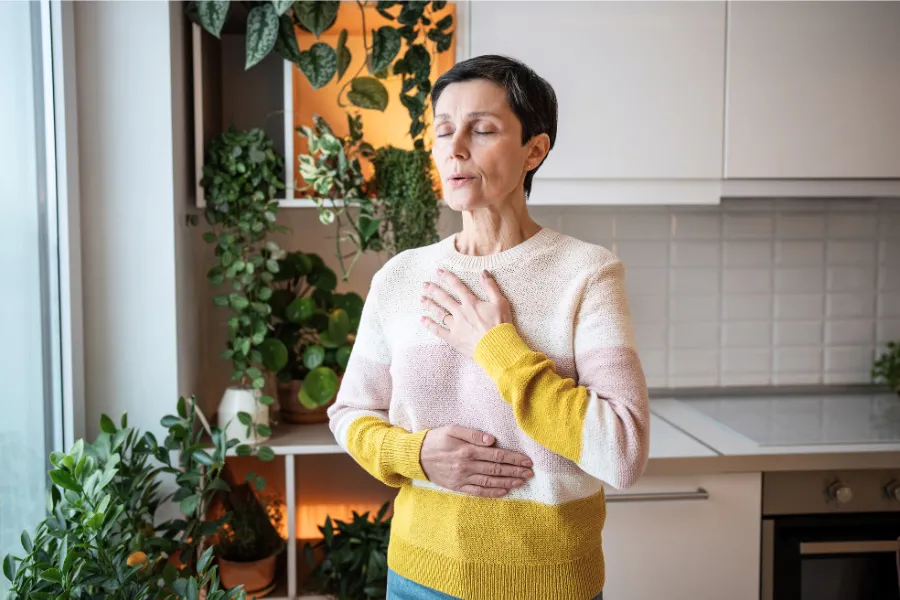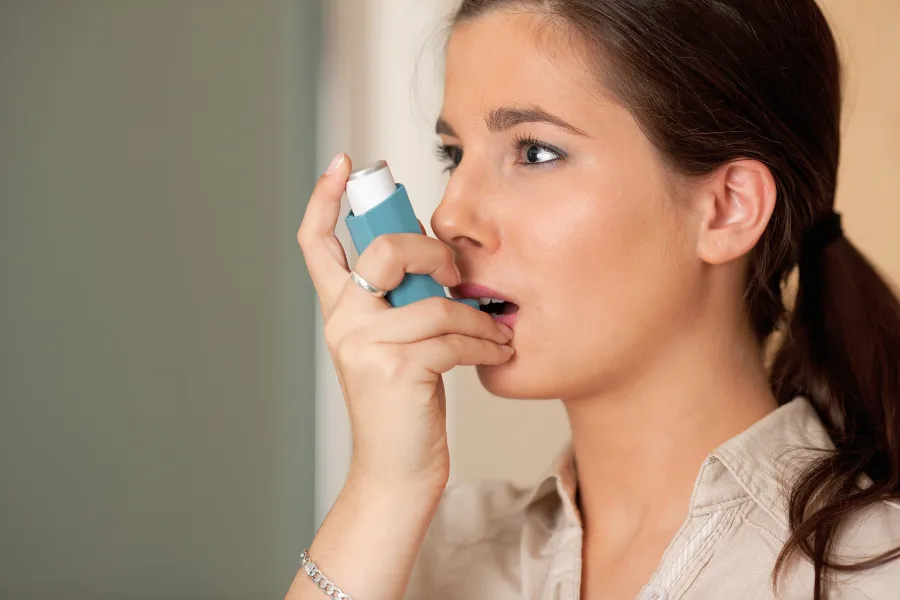

Emphysema is a lung condition that makes breathing difficult. It is part of a group of chronic obstructive pulmonary disease (COPD) lung diseases. In emphysema, the tiny air sacs in your lungs become damaged. These damaged air sacs struggle to move oxygen into your blood, which causes ongoing breathing problems. The American Lung Association reports that many people live with emphysema, and catching it early can help control symptoms.
Early Symptoms of Emphysema
Catching emphysema symptoms early helps manage the disease. These signs develop gradually and seem like normal aging or minor breathing problems. Watch for these warning signs:
- Shortness of breath during exercise or daily activities
- A cough that won’t go away and produces mucus
- Whistling or wheezing sounds when you breathe
- Feeling tired more often than usual
- Tightness in your chest
Without treatment, these symptoms can worsen and make everyday activities more challenging.

How Emphysema Affects Your Lungs
Emphysema damages the tiny air sacs in your lungs. These damaged air sacs lose their ability to stretch and squeeze out air completely. As a result, air gets trapped inside your lungs. When air stays trapped, it becomes harder to breathe in fresh oxygen. You may feel tired and need more oxygen to do everyday tasks.
- Additional health challenges can include:
- Increased risk of lung infections
- Less breathing space in your lungs
- Problems sleeping or lying down comfortably
Common Risk Factors for Emphysema
Understanding emphysema risk factors can help you protect your lungs. Some key risk factors include:
- Smoking damages lung tissue and is the primary trigger for emphysema
- Breathing air with chemical fumes, pollution, or dust over many years can harm lung health
- Some inherited conditions, like alpha-1 antitrypsin deficiency, increase your chances of developing the disease
- As you get older, your lungs naturally become less efficient
Talk to your doctor if you have relatives with chronic lung diseases or work in environments with high levels of harmful substances. They can help you assess your risk and discuss ways to keep your lungs healthy.
Diagnosing Emphysema
Catching emphysema early helps doctors create an effective treatment plan. Doctors diagnose this condition through several methods:
- Lung Function Tests: Measure how well your lungs move air and how much air they can hold
- Chest Imaging: X-rays or CT scans show detailed pictures of lung damage
- Blood Oxygen Test: Checks the amount of oxygen and carbon dioxide in your blood
- Personal and Family Health Review: Examines your symptoms and potential exposure to lung-damaging substances
An accurate diagnosis allows your healthcare team to develop a targeted treatment approach and slow the progression of lung damage.

Managing Emphysema for Better Quality of Life
While emphysema cannot be cured, several treatments can help you manage symptoms and maintain your quality of life. Treatment goals focus on slowing the disease and making breathing easier:
- Medications: Inhalers help open airways and reduce lung inflammation
- Oxygen Support: Supplies extra oxygen to help your body function better
- Lung Rehabilitation: Combines exercise, education, and support to improve lung strength and breathing skills
- Daily Health Strategies:
- Stop smoking to prevent further lung damage
- Limit contact with air pollution and lung irritants
- Eat nutritious foods to support overall health
For advanced cases, doctors may discuss surgical options like lung volume reduction or transplantation.
Take Control of Your Lung Health
Don’t ignore ongoing breathing problems. Talk to your doctor if you notice persistent shortness of breath or other concerning lung symptoms. Early medical care can help you manage emphysema and protect your health. Make an appointment to discuss your symptoms and find a treatment plan that works for you.
Make An AppointmentFrequently Asked Questions
What is emphysema, and how is it different from COPD?
Emphysema is a specific type of chronic obstructive pulmonary disease (COPD). It primarily damages the tiny air sacs in the lungs, leading to difficulty exhaling and trapping air in the lungs. COPD may also include chronic bronchitis and other airflow-limiting conditions.
Can emphysema be reversed?
No, emphysema cannot be reversed or cured. However, with early diagnosis and the right treatment plan, symptoms can be managed, and disease progression can be slowed.
What causes emphysema besides smoking?
While smoking is the leading cause, emphysema can also be caused by long-term exposure to air pollutants, occupational chemicals or dust, and inherited conditions like alpha-1 antitrypsin deficiency.
Is shortness of breath always a sign of emphysema?
Not always. Shortness of breath can have many causes, including heart disease, asthma, or anxiety. However, persistent breathlessness—especially if it worsens with activity—should be evaluated by a healthcare provider.
How is emphysema diagnosed?
Doctors may use pulmonary function tests, chest imaging (like X-rays or CT scans), blood gas analysis, and a thorough health history to diagnose emphysema accurately.
What treatments are available for emphysema?
Treatment options may include inhalers, oxygen therapy, pulmonary rehabilitation, and lifestyle changes such as smoking cessation and avoiding lung irritants. Advanced cases may be considered for surgery or lung transplant evaluation.When should I see a doctor for breathing problems?
If you experience ongoing shortness of breath, chest tightness, wheezing, or a persistent cough, it’s important to see a doctor. Early intervention improves long-term outcomes.